₹399.00Original price was: ₹399.00.₹299.00Current price is: ₹299.00.
Sale!
OVERVIEW
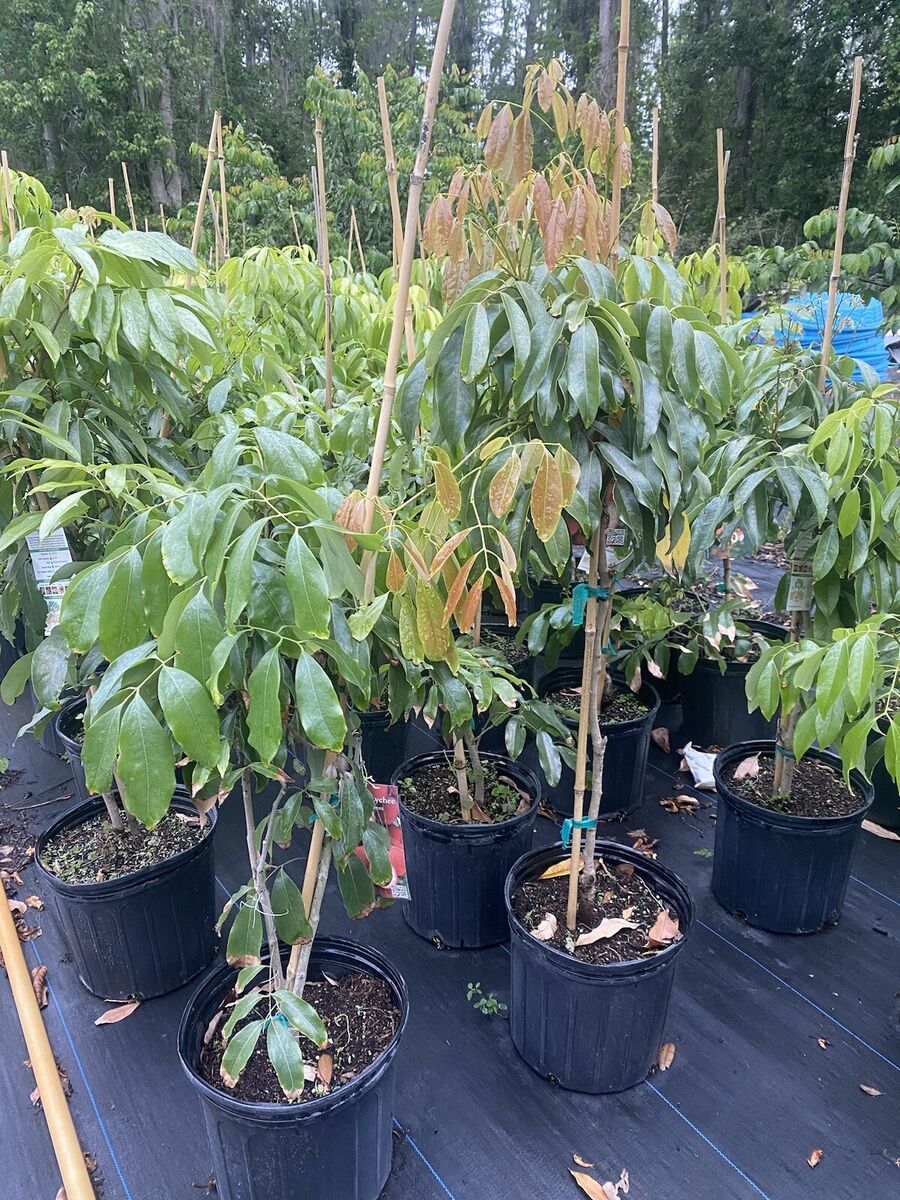
Litchi (Litchi chinensis) Plant Guide
Local Indian Name: (Litchi)
Scientific Name: Litchi chinensis
Family: Sapindaceae (Soapberry Family)
Category: Fruit-Bearing Tree
Subcategory: Tropical and Subtropical Fruit
Native Region:
Origin:Southern China, Vietnam, and Malaysia
Major Growing Regions in India:Bihar, Jharkhand, West Bengal, Uttar Pradesh, Assam, Tripura, Punjab
Introduction
Litchi (Litchi chinensis) is a delicious tropical fruit known for its sweet, juicy pulp and exotic fragrance. It is a high-value fruit crop cultivated in subtropical regions. India is one of the largest producers of litchi, with Bihar being the leading state.
Importance & Benefits
Health & Nutritional Benefits:
Rich in Vitamin C, boosting immunity.
Contains antioxidants that promote skin health.
Good source of fiber, aiding digestion.
Contains essential minerals like potassium and copper.
Economic Benefits:
High market demand in domestic and export markets.
Used in processed products like juices, jams, and canned fruits.
Commercial litchi farming is highly profitable for small and large-scale farmers.
Environmental Benefits:
Litchi trees help in carbon sequestration and improve air quality.
Provides shade and aesthetic value to landscapes.
Description and Cultivation
Botanical Description:
Height: Grows up to 10-12 meters.
Trunk & Bark: Dark brown, rough bark with a spreading canopy.
Leaves: Dark green, pinnate, glossy.
Flowers: Small, greenish-yellow, appearing in clusters.
Fruits: Small, round to oval, red, rough-skinned with a juicy white pulp and single seed.
Varieties and Cultivars
Popular Litchi Varieties in India:
Shahi Litchi – Highly juicy and aromatic, grown in Bihar.
China Litchi – Large-sized fruit with a sweet taste, grown in Bihar and West Bengal.
Bombai Litchi – Medium-sized with high pulp content, grown in West Bengal.
Dehradun Litchi – Known for its soft flesh and excellent sweetness.
Early Large Red – Grown in Punjab and Uttarakhand for early harvesting.
Location and Light
Climate: Prefers subtropical climate with cool winters and warm summers.
Sunlight: Requires 6-8 hours of direct sunlight daily.
Elevation: Best grown at 300-800 meters above sea level.
Soil Preparation
Type: Well-drained sandy loam or clayey loam soil.
pH Range:5.5 to 7.5 (slightly acidic to neutral).
Soil Enrichment: Add organic compost and farmyard manure before planting.
Planting
Best Planting Season:June to August (monsoon season).
Spacing:8-10 meters apart to allow proper root and canopy growth.
Pit Size:1m x 1m x 1m, filled with organic matter and topsoil.
Watering
Young Plants: Water twice a week during the first year.
Mature Trees:Water once every 10-15 days, depending on soil moisture.
Avoid overwatering as it may cause root rot.
Pruning
Purpose: Enhances fruit production and tree health.
Timing: Best done after harvesting and during winter dormancy.
Method: Remove weak, diseased, and unproductive branches.
Pest and Disease Management
Common Pests:
Litchi Mite: Causes leaf curling and fruit deformities.
Fruit Borer: Damages fruit quality.
Leaf Miner: Affects young leaves and stunts growth.
Common Diseases:
Anthracnose: Fungal infection causing fruit spots.
Root Rot: Due to overwatering and poor drainage.
Red Rust: Affects leaves, reducing fruit yield.
Management Practices:
Organic Methods: Use neem oil spray, insect traps, and bio-pesticides.
Chemical Control: Apply fungicides and mild pesticides when necessary.
Preventive Measures:Ensure proper spacing, air circulation, and avoid waterlogging.


Reviews
There are no reviews yet.