Ficus retusa is native to Southeast Asia, including India, Malaysia, and Taiwan .
Introduction:
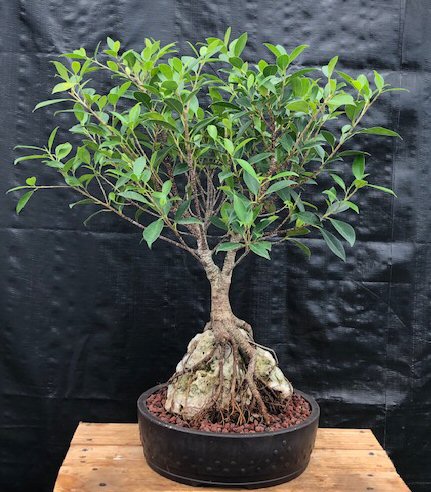
Ficus retusa, commonly known as Ficus Bonsai, is a popular choice for bonsai enthusiasts due to its adaptability, attractive aerial roots, and glossy foliage. It is widely grown as an ornamental plant and is prized for its ability to thrive indoors.
Importance & Benefits:
Aesthetic Appeal: Ficus Bonsai is highly valued for its artistic form, glossy leaves, and intricate aerial roots.
Air Purification: Like many houseplants, it helps improve indoor air quality by filtering toxins.
Low Maintenance: Ficus Bonsai is relatively easy to care for, making it ideal for beginners.
Therapeutic Value: Its presence can enhance mental well being and reduce stress.
Cultural Significance: In bonsai culture, it symbolizes harmony, balance, and patience.
Description and Cultivation:
Description: Ficus retusa is an evergreen tree with thick, glossy, dark green leaves. The plant produces small, inedible figs and is known for its aerial roots, which add to its aesthetic appeal. When grown as a bonsai, it is trained into various artistic shapes.
Cultivation: Ficus Bonsai thrives in warm, humid environments with bright, indirect light. It is primarily grown indoors but can also be cultivated outdoors in tropical climates.
Varieties and Cultivars:
Ficus retusa 'Green Island': Known for its compact growth and small, rounded leaves.
Ficus retusa 'Tigerbark': Features variegated leaves with a tiger stripe pattern.
Ficus retusa 'Golden Gate': Known for its golden yellow new growth.
Ficus retusa 'Too Little': A dwarf variety with tiny leaves, ideal for small bonsai.
Ficus retusa 'Moclame': Known for its dense foliage and compact growth habit.
Location and Light:
Location: Ficus Bonsai prefers bright, indirect light but can tolerate low light conditions.
Light: Place the plant near a south or east facing window where it can receive plenty of light. Avoid direct sunlight, as it can scorch the leaves.
Soil Preparation:
Soil Type: Ficus Bonsai thrives in well draining, fertile soil.
Soil Mix: A mix of akadama, pumice, and lava rock is ideal for bonsai cultivation. The soil should be slightly acidic to neutral (pH 6.0–7.0).
Planting:
Planting Time: Spring or early summer is the best time to plant or repot Ficus Bonsai.
Planting Method: Use a shallow bonsai pot with drainage holes. Gently place the plant in the soil, ensuring the roots are spread out, and cover with soil.
Watering:
Frequency: Water the plant when the top inch of soil feels dry. Ficus Bonsai prefers consistently moist soil but not waterlogged conditions.
Water Quality: Use room temperature water. Avoid overwatering, as it can lead to root rot.
Pruning:
Purpose: Prune to maintain the bonsai shape, remove dead or damaged leaves, and encourage new growth.
Method: Use clean, sharp scissors or bonsai shears to trim leaves and branches. Regular pruning helps maintain the desired shape and size.
Pest and Disease Management:
Common Pests: Spider mites, aphids, and scale insects can infest Ficus Bonsai. Regularly inspect the plant and treat with insecticidal soap or neem oil.
Diseases: Root rot and leaf spot can occur due to overwatering or poor air circulation. Ensure proper drainage and avoid waterlogging.
Prevention: Maintain proper humidity levels and avoid overwatering to prevent pest and disease issues.
Environmental Conditions:
Temperature: Ficus Bonsai prefers temperatures between 60°F and 75°F (15°C–24°C). It can tolerate cooler temperatures but is not frost hardy.
Humidity: High humidity (50%–70%) is ideal. Use a humidity tray or mist the plant regularly to increase humidity.
Air Circulation: Ensure good air circulation to prevent fungal issues.
Propagation:
Method: Ficus Bonsai is typically propagated through stem cuttings or air layering.
Steps for Stem Cuttings: Cut a healthy stem with at least one leaf node. Place the cutting in water or moist soil until roots develop. Once rooted, plant the cutting in fresh soil.
Steps for Air Layering: Make a small cut in the stem and wrap it with moist sphagnum moss. Cover with plastic wrap and wait for roots to form before cutting and planting.
Uses:
Indoor Decoration: Ficus Bonsai is widely used as a houseplant for its ornamental value.
Therapeutic: Its presence can enhance mental well being and reduce stress.
Cultural: Used in bonsai art and as a symbol of harmony and balance.
Monetary Benefits:
Commercial Value: Ficus Bonsai is a popular plant in the ornamental plant trade, with high demand in nurseries and online plant stores.
Export Potential: In countries like India, Ficus Bonsai can be grown for export to international markets, providing economic opportunities for growers.
References:
"The Complete Book of Bonsai" by Harry Tomlinson
"Bonsai Basics" by Christian Pessey
"The New Plant Parent" by Darryl Cheng
Royal Horticultural Society (RHS) guidelines on Ficus Bonsai care
University of Florida IFAS Extension: Ficus Bonsai cultivation and care


Reviews
There are no reviews yet.