


Jasmine
OVERVIEW
Local Indian Name: Raat ki Rani
Scientific Name: Cestrum nocturnum
Family: Solanaceae
Category and Subcategory: Evergreen Shrub, Ornamental Plant
Native Region: West Indies, including Jamaica and the Antilles
Introduction
Cestrum nocturnum, commonly known as Night-Blooming Jasmine or Raat ki Rani in India, is an evergreen shrub celebrated for its highly fragrant flowers that emit a sweet scent during the night. Native to the West Indies, this plant has been widely cultivated in tropical and subtropical regions for its ornamental and aromatic qualities.
Importance & Benefits
- Ornamental Value: The plant is prized for its night-blooming, fragrant flowers, making it a popular choice for gardens and landscapes.
- Cultural Significance: In various cultures, including India, the plant is associated with nighttime fragrance and is often planted near homes and temples.
- Medicinal Uses: Traditionally, parts of the plant have been used in folk medicine to treat ailments such as headaches, respiratory issues, and skin infections. However, caution is advised due to the plant’s potential toxicity.
Description and Cultivation
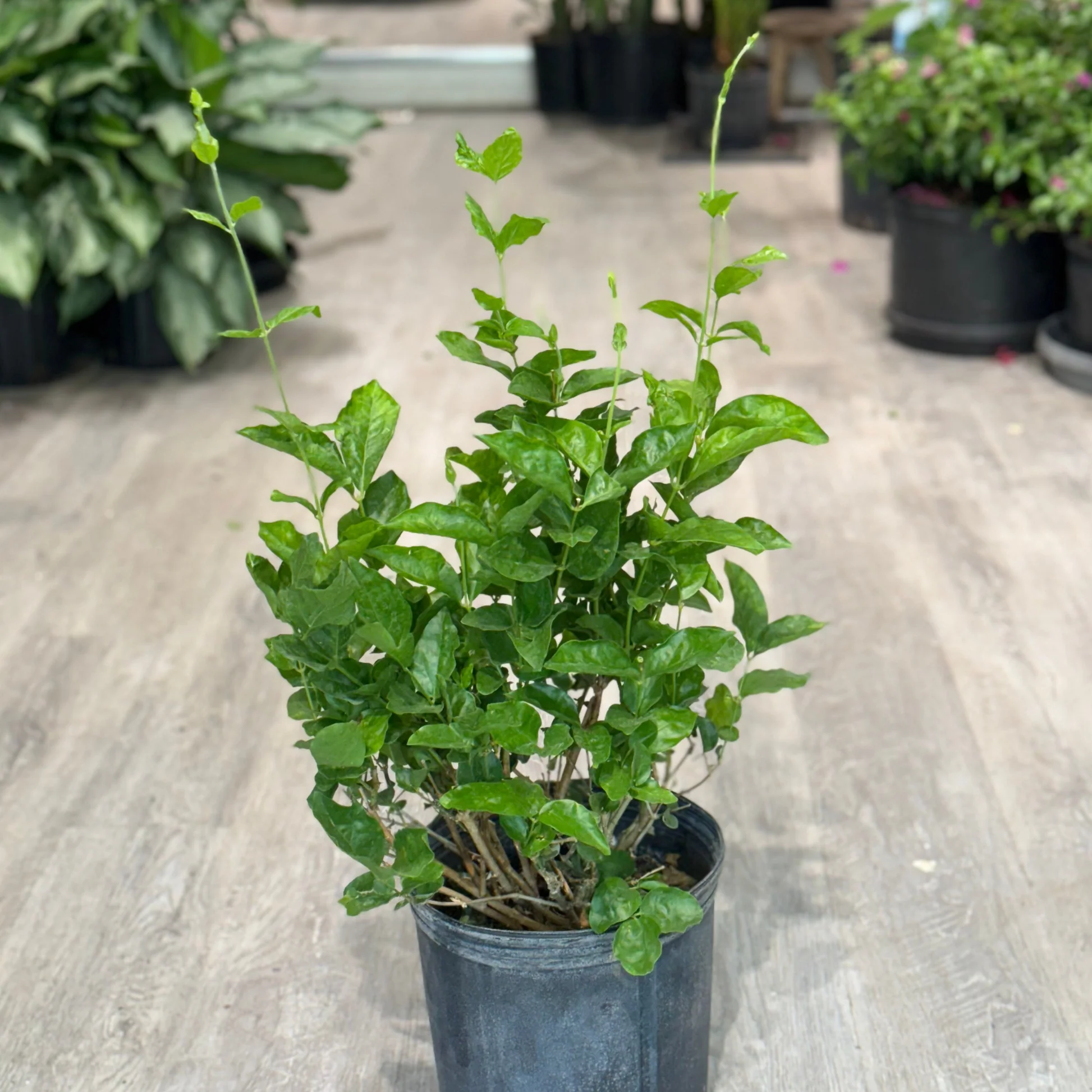
This evergreen shrub can grow up to 3.5 meters tall, featuring slender, arching branches with glossy, dark green leaves that are simple and lanceolate, measuring 6–20 cm in length. The plant produces clusters of small, greenish-white tubular flowers that bloom at night, releasing a powerful, sweet fragrance. The flowers are followed by white berries approximately 1 cm in length. Cestrum nocturnum thrives in average to moist, well-draining soils and prefers full sun to partial shade. It is suitable for USDA hardiness zones 8 and above.
Varieties and Cultivars
While Cestrum nocturnum is the most commonly cultivated species for its nocturnal fragrance, there are related species such as Cestrum diurnum (Day-Blooming Jessamine) that emit fragrance during the day. However, C. nocturnum remains the preferred choice for night-time aromatic gardens.
Location and Light
- Sunlight: Prefers full sun to partial shade. Adequate sunlight promotes healthy growth and abundant flowering.
- Placement: Ideal for planting near patios, windows, or outdoor living areas where the nocturnal fragrance can be enjoyed.
Soil Preparation
- Type: Thrives in well-draining, sandy loam soils rich in organic matter.
- pH Level: Prefers neutral to slightly acidic soils with a pH between 6.6 and 7.5.
Planting
- Timing: Best planted in spring or early summer to allow establishment before cooler temperatures.
- Method: Dig a hole twice the width of the root ball and of equal depth. Place the plant, backfill with soil, and water thoroughly. Maintain a spacing of 1.5 to 2 meters between plants to allow for mature growth.
Watering
- Frequency: Requires regular watering, especially during the growing season. Keep the soil consistently moist but not waterlogged.
- Method: Water at the base of the plant to prevent foliage diseases. Reduce watering during the dormant winter months.
Pruning
- Purpose: Pruning helps maintain the desired shape, encourages bushier growth, and removes dead or diseased branches.
- Timing: Prune in late winter or early spring before new growth begins. Light pruning after flowering can also promote additional blooms.
Pest and Disease Management
- Common Pests: Generally resistant to pests but may occasionally encounter aphids, whiteflies, or spider mites.
- Diseases: Root rot can occur in poorly drained soils.
- Control Measures: Ensure proper soil drainage and avoid overwatering. Regularly inspect plants and use appropriate organic or chemical treatments as needed.
Environmental Conditions
- Temperature: Thrives in warm climates and is sensitive to frost. In cooler regions, it can be grown in containers and brought indoors during winter.
- Humidity: Prefers moderate to high humidity levels.
Propagation
- Methods: Primarily propagated through semi-hardwood cuttings taken in late spring or early summer.
- Process: Take 10–15 cm cuttings from healthy, non-flowering shoots. Remove the lower leaves, dip the cut end in rooting hormone, and plant in a well-draining potting mix. Keep the soil moist and place the cutting in a warm, shaded area until roots develop.
Uses
- Ornamental: Widely used in gardens and landscapes for its fragrant night-blooming flowers. Suitable for hedges, screens, or as a standalone specimen.
- Medicinal: Employed in traditional medicine for various treatments, though scientific validation is limited.
- Aromatic: Flowers are sometimes used in perfumery and aromatherapy for their intense fragrance.
Monetary Benefits
- Nursery Trade: High demand for Cestrum nocturnum in nurseries due to its ornamental and aromatic appeal.
- Landscaping: Popular choice among landscapers for enhancing sensory experiences in gardens and outdoor spaces.
References
RELATED PRODUCTS
REVIEWS
Reviews
There are no reviews yet.